Common Brake Failures And Their Prevention Methods With ASIMCO R&D Expertise
Posted on:
09 Mar, 2026
Brakes are one of the most important elements that ensure drivers and other road users are safe on the road.
Therefore, fully functional brakes are non-negotiable whether hovering under the highway or driving in busy city
traffic.
Despite their importance, brake failures are more common than many people realize and are often only noticed when
they lead to serious consequences. Understanding brake failure causes is not only for mechanics, but every
driver must know them to prevent severe risks.
Let’s look at the signs and causes of brake failures and measures you can take to prevent them in the blog below.
Warning Signs of Brake Failure
The braking system of a car consists of many moving parts, including the brake disc, rotor, and
caliper. Thus, you should pay close attention to all these. The following are only some of the ways you can
detect a problem in your brake:
- Grinding Or Screeching Noise – This is the first indication that your vehicle’s brake pads have worn out
and require replacement. Failure to do so might result in costly repairs and even damage to other parts.
- Shaking Steering Wheel Or Brake Pedal – The steering wheel or the brake pedal will tremble
in case there is a problem with the rotor.
- Burning Smell From Brakes – A burnt odor is one of the signs of several issues with
the braking system, such as excessive friction between components.
- Brake Malfunction Light – Brake warning lights are among the many warning lights on your
vehicle’s dashboard. You must never ignore this warning light; have the brakes checked immediately.
- Brake Fading – If actuating the brake pedal results in a loss of stopping force, the brake
is overheated and can lead to a complete loss of braking.
- Brake Fluid Leakage – When the tyres contain fluid, it indicates a brake fluid leak, which
is likely to cause brake failure.
Common Causes Of Brake Failures
Brake failure may pose a grave danger to you, and the knowledge of its causes will help you avoid it promptly.
Let’s look at some of them:
- Hydraulic System Issues – Automotive brake fluid
leaks can reduce hydraulic pressure. This can compromise your vehicle’s stopping power and lead to brake
pedal inefficiency.
- Worn Components In The Braking System – Excessive wear on rotors and pads reduces friction,
increases the risk of accidents, and extends the stopping distance.
- Overheating And Brake Fade – Excessive heat can be generated by downhill driving or
prolonged braking. This can temporarily reduce the efficiency of the brake elements.
- Faulty Master Cylinder Mechanics – Any malfunction in the master cylinder can affect the
flow of hydraulic fluid. This may seriously affect the brake system’s performance.
- Contaminated Or Aged Brake Fluid – A break or rust in the brake line can cause a loss or
leakage of hydraulic fluid pressure. This has the potential to enhance the risk of general brake system
failure.
- Corrosion And Damage To Brake Lines – A break or rust in the brake line may result in a
loss or leakage of hydraulic fluid pressure.
- Malfunctions in the Anti-Lock Braking System – Failure of a sensor or an ABS malfunction
can lead to uncontrolled braking or the inability to lock the wheels in an emergency.
- Neglecting Routine Maintenance – Failing to conduct regular brake checks or to replace worn
parts promptly may lead to unforeseen malfunctions.
Effective Tips To Prevent Brake Failure
The following are some of the tips that will help avoid brake failure in your car:
- Perform Regular Visual Inspections – Be careful about the condition of your car’s brakes.
Examine the hoses, lines, and brake discs and pads for wear and corrosion, as well as any fluid leaks.
- Keep A Maintenance Log – Keep a record of inspections and maintenance services performed on
your car’s brake system. This will help you track possible wear and schedule maintenance regularly.
- Drive Consciously – Anticipatory, smooth driving is necessary to reduce the need for hard
braking. This will increase the life of the brakes, as there will be less excessive wear.
- Keep The Brake System Clean And Lubricated – Regularly apply brake grease to pads,
calipers, and contact points to minimize friction and prevent dirt accumulation.
- Schedule Regular Preventive Maintenance – Never wait for a problem to arise; instead,
schedule regular preventive maintenance as per the manufacturer’s recommendations.
- Use High-Quality Brake Components – Use only high-quality brake parts to ensure better
performance, durability, improved safety, reduced wear, and consistent braking efficiency.
How Can ASIMCO RD Expertise Help You?
ASIMCO is a renowned automotive brake pad
manufacturer that follows a strategy to prevent brake failures through precise
manufacturing and testing.
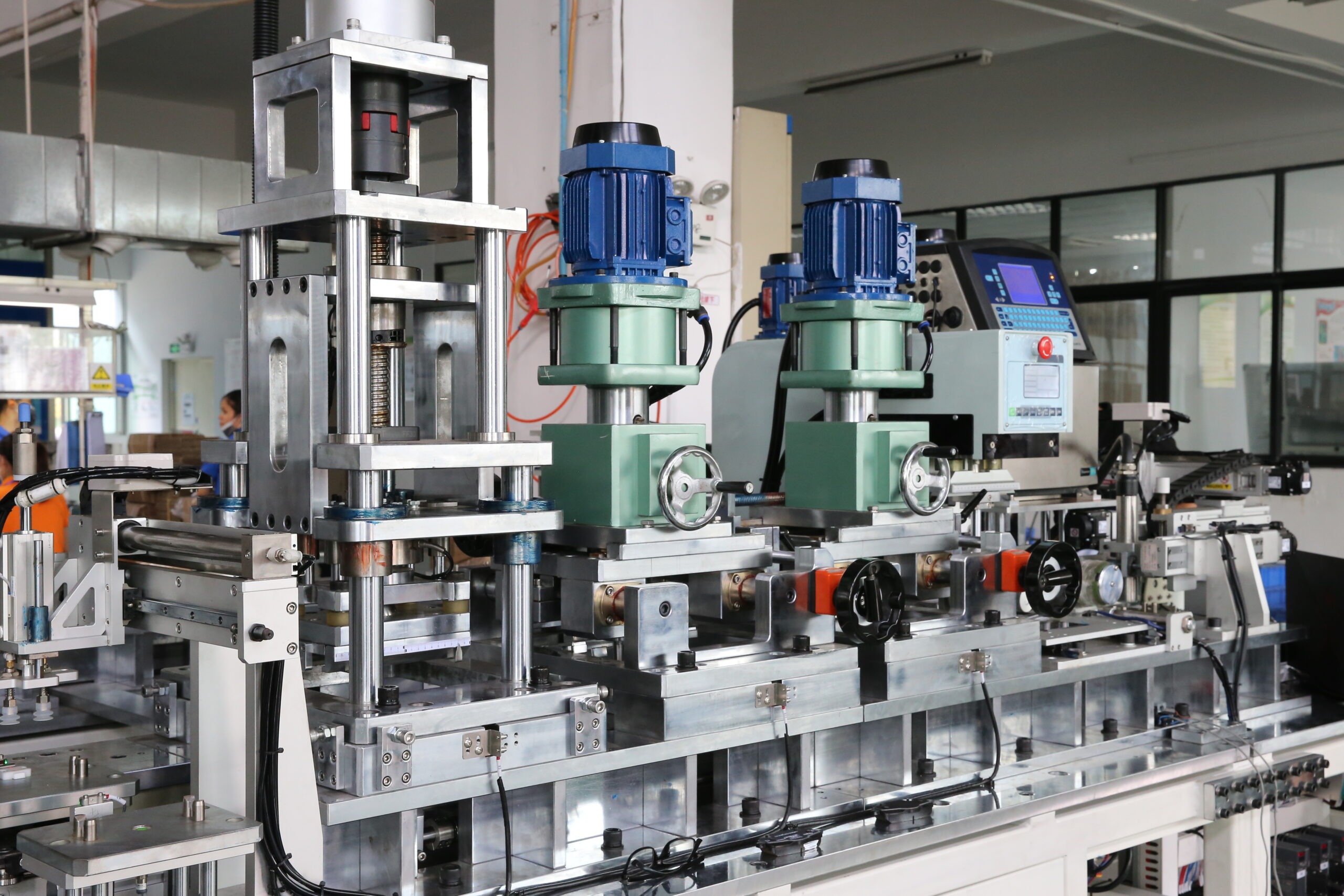
- Fully Automated Production – We use automated processes from raw materials through final
assembly, ensuring 100% consistency in material quality and dimensional control.
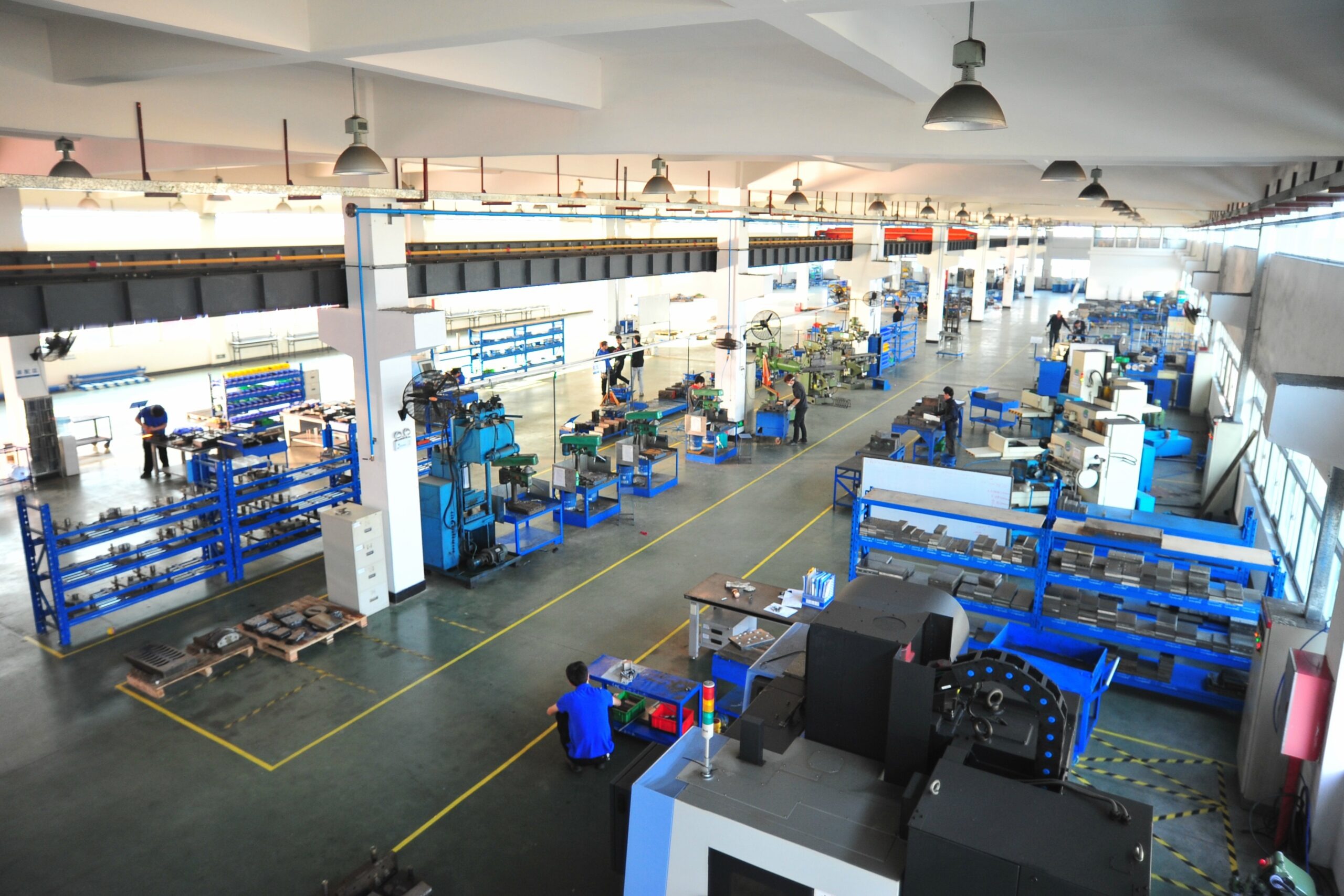
- R&D Testing Protocols – We conduct rigorous testing for friction performance, bond
strength, constant-speed performance, and more to verify and optimize different materials.
- Corrosion Protection – Our brake components and hardware feature specialized coating to
ensure durability and protect against corrosion.
- NVH Control – Our pads feature a 100% slotted/chamfered design and advanced grinding to
minimize noise and vibrations, ensuring both comfort and safety.
Conclusion
To ensure your safety and prolong the lifespan of your vehicle’s braking system, you must identify brake issues
early and understand the complexities of brake repair. Never forget that the longevity and efficacy of your
vehicle’s braking system depend on timely repairs and routine maintenance.
If you need top-quality
brake components, contact ASIMCO Global, the best brake disc manufacturer. Contact us today to know more about
our products and services.