
Brake discs are a fundamental component of a vehicle’s braking system that help wheel's rotation come to a stop. These efficient braking mechanisms are significant in the automotive industry due to their safety features and superior performance.
A brake disc provides improved stopping power, durability, and heat dissipation, compared to the older drum brakes. Whether you drive a heavy-duty truck, a sports car, or a commuter sedan, understanding the mechanics and principles of brake discs is essential to maintaining vehicle control and ensuring your customer’s safety.
In this blog, let’s learn everything about brake discs, how they operate, and more.
A critical component of a vehicle's braking system is the rotor, also known as the brake disc. These discs work with brake pads to stop or slow down a car. The brake pads clamp onto the discs when the brake pedal is depressed, slowing the car through friction.
This is very important for safety and security and is generally made of grey cast iron, known for outstanding thermal conductivity, excellent wear resistance, and high heat capacity.
This material can withstand high to extreme temperatures without deforming. Besides the grey cast material, many brake discs are also made of carbon-ceramic compounds that offer much superior heat dissipation, reduce wear (at a higher cost), and are even lightweight.
There are many types of brake discs available, designed for specific performance needs and applications. These include:
Before you buy the best-quality brake discs from a renowned auto parts supplier, you must understand their components to make installation easier in your vehicle.
As explained above, the brake discs have many parts that interrelate to ensure their functionality. Let’s understand how:
There are numerous signs that the vehicle's brakes do not work properly. Therefore, the car should be carefully inspected to make sure that the required repairs are carried out to ensure the security of the vehicle:
Always keep in mind: if you have to replace any parts of a brake disc, buy them from a reputable brake disc manufacturer. It will ensure you use only genuine parts.
The braking system requires maintenance of brake discs to ensure its safety and maximum performance. Here are some tips to do so:
Knowing how brake discs work is necessary to ensure reliable, safe, and high-performance braking. From friction surfaces to rotor design to cooling mechanism, each component is crucial to overall braking efficiency.
By understanding everything correctly, you can significantly extend the disc’s lifespan and deliver consistent braking performance to your customers. If your workshop is looking to source high-quality brake discs, you can partner with Asmico, the best OEM automotive parts supplier.
We only offer genuine products and always maintain professional standards.
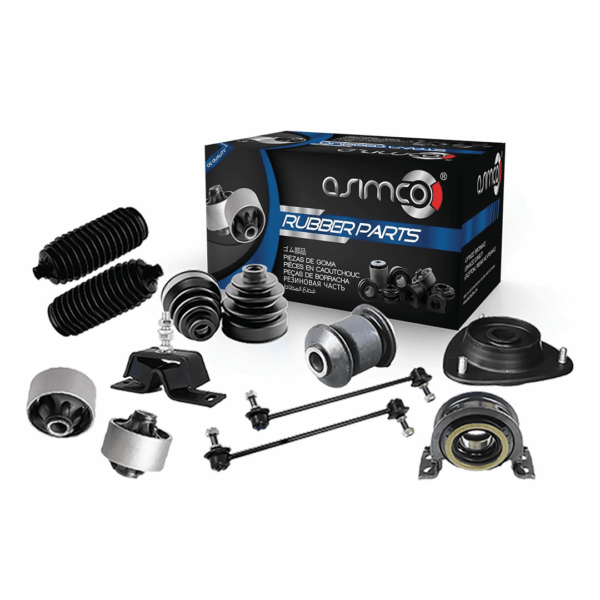 How to Differentiate Between Original and Fake Auto Spare Parts
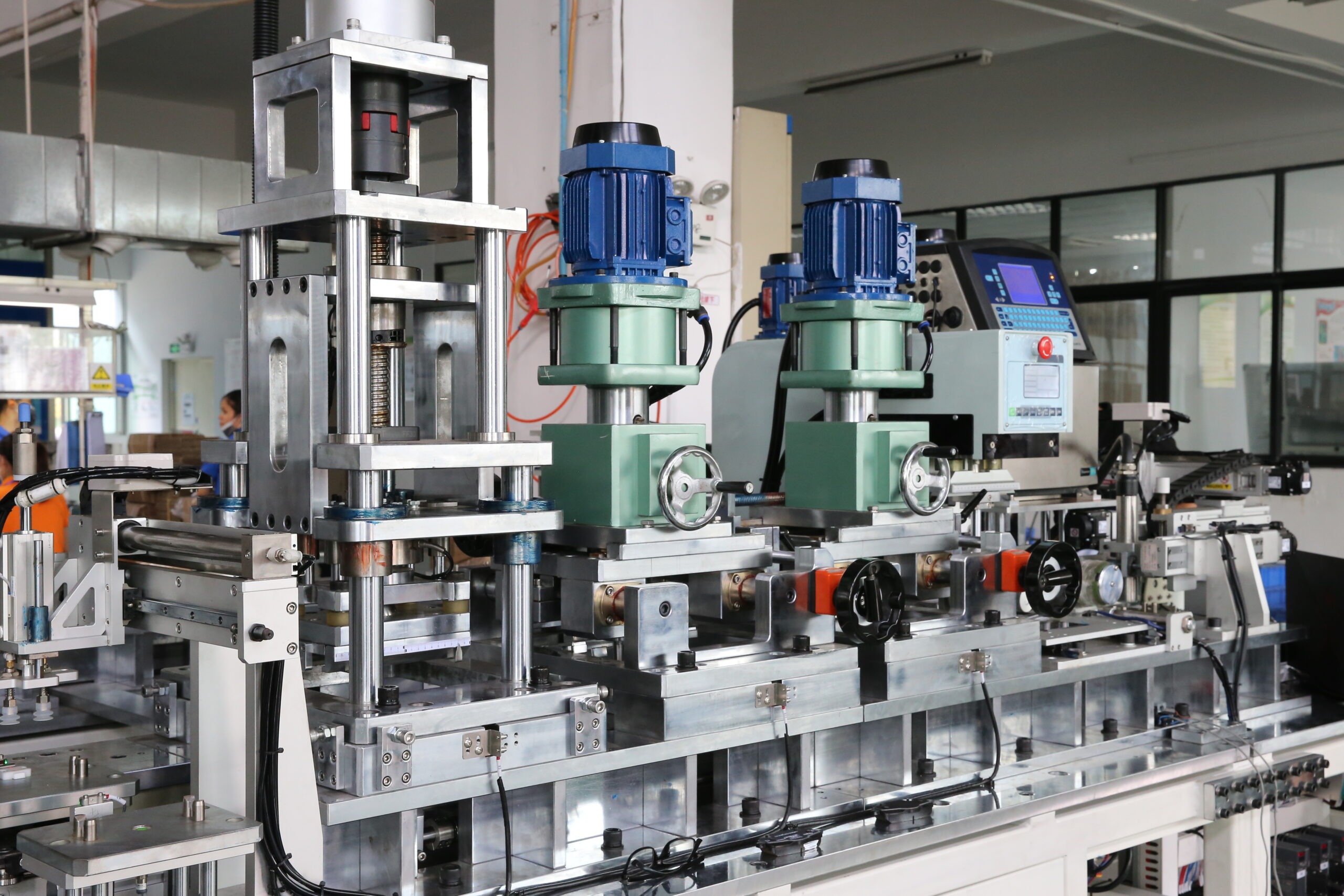 Common Brake Failures And Their Prevention Methods With ASIMCO R&D Expertise
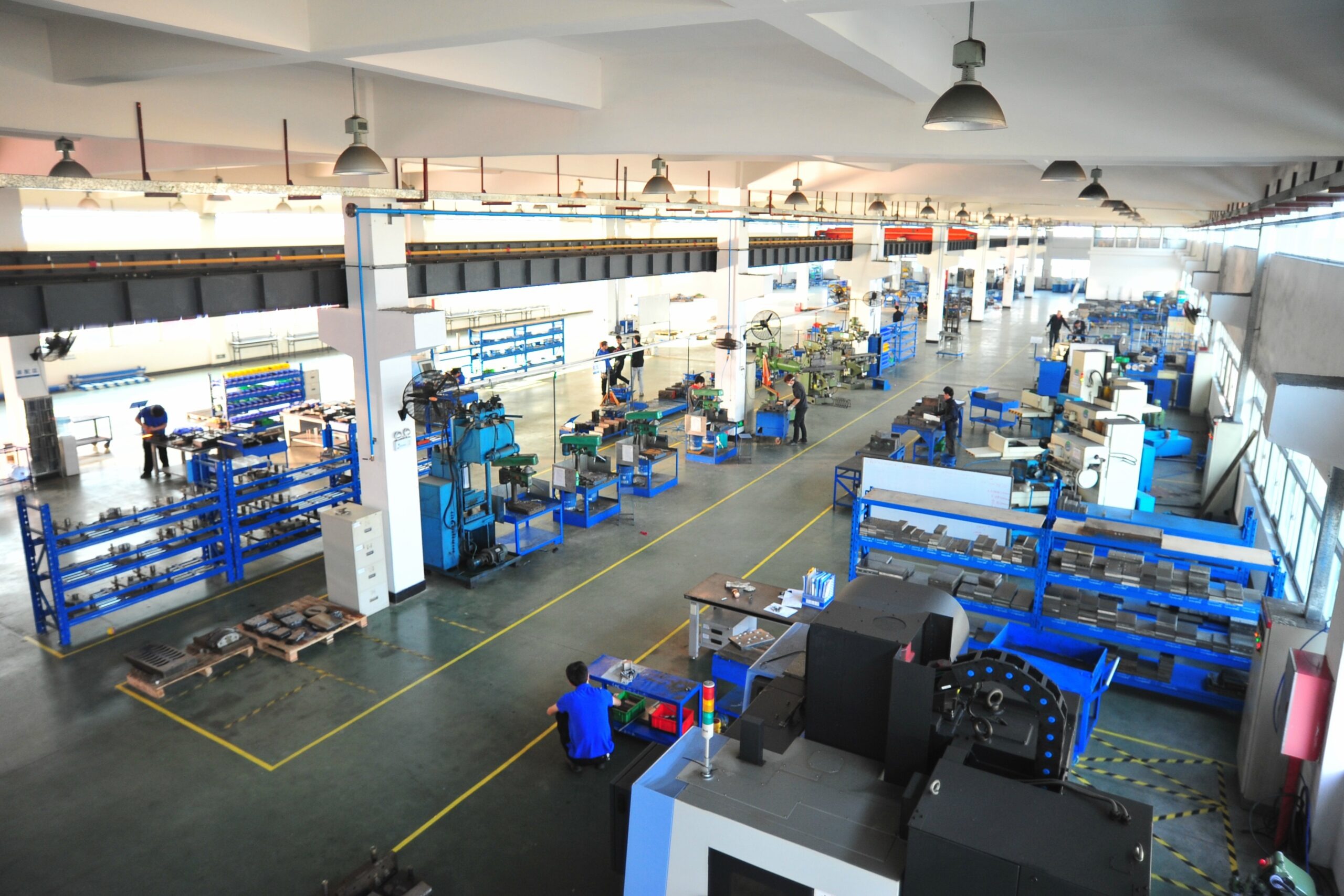 The Role of Sustainability in Auto Parts Manufacturing
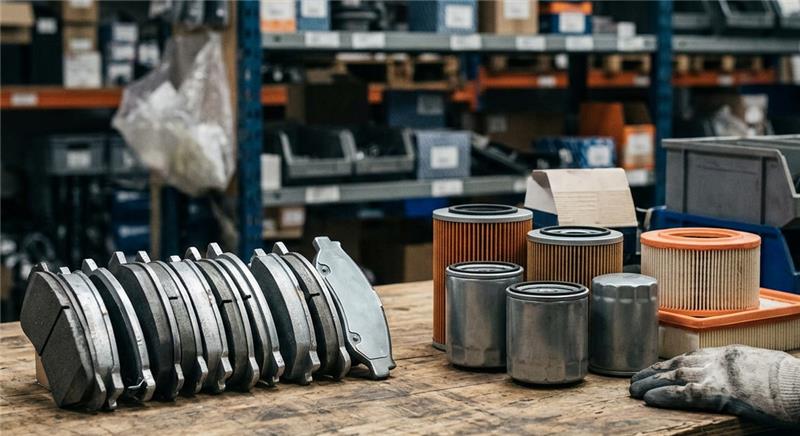 Top 6 Risks Of Using Counterfeit Brake Pads And Filters
 Understanding E-Mark Certification for Brake Pads: Difference Between E1 and E11 Explained
Enter the security code from your product's anti-counterfeit label to verify authenticity.

Please fill in your details below to download our latest catalogue.
Interested in becoming an ASIMCO distributor? Fill in the form below and we'll get back to you.


 العربية
 中文
中文 Nederlands
 Français
 Deutsch
 हिन्दी
 Italiano
 Português
 Русский
 Español